A climate-smart hydroponic farm built for women, jobs, and year-round food.
Kijani Hydroponics Farm is developing a 10-acre hydroponic hub in Kajiado County: modular greenhouses, vertical systems, a women-led nursery, and post-harvest infrastructure designed to deliver reliable production in a changing climate.

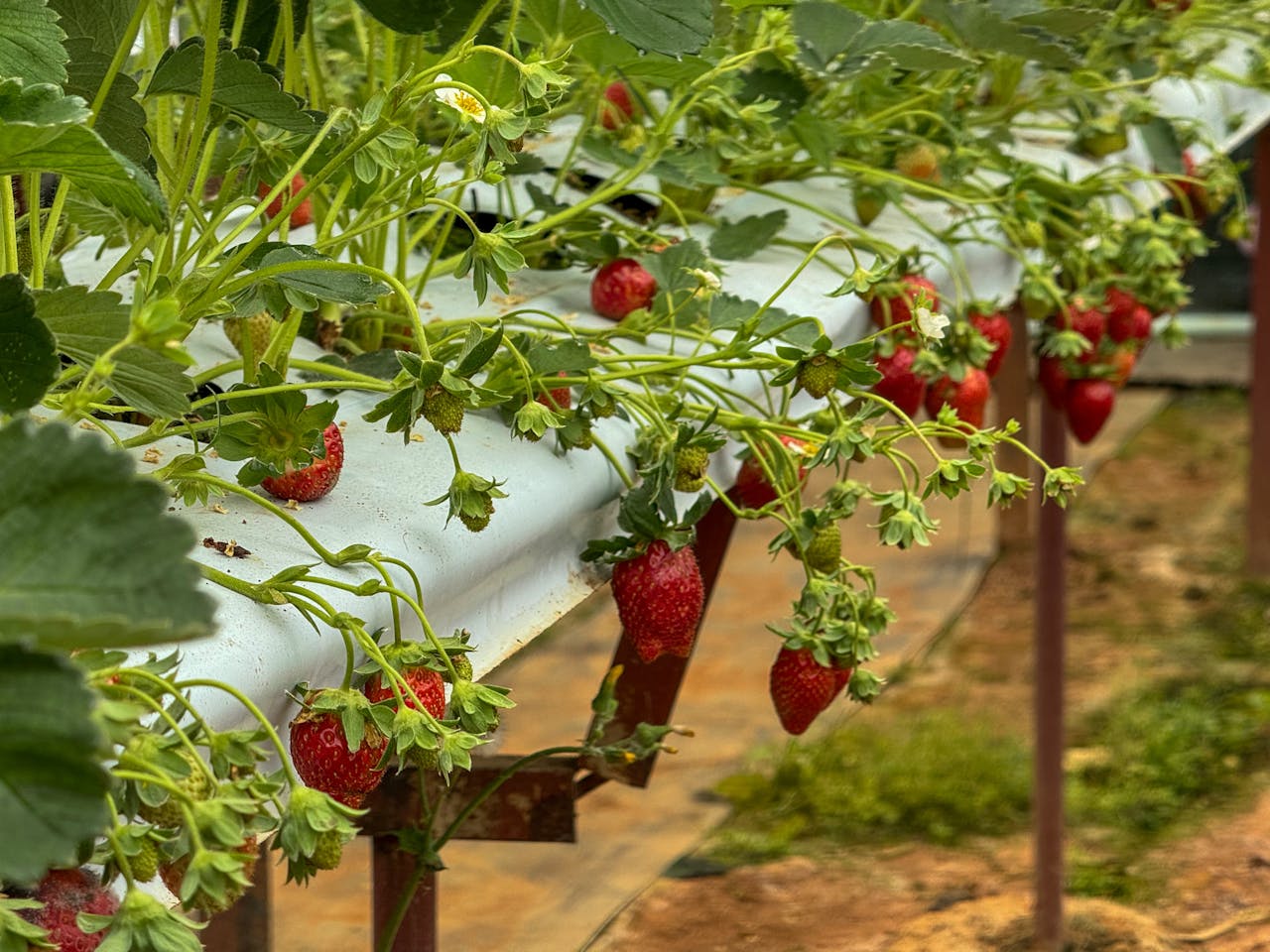
Project summary
A 10-acre hydroponic farm comprised of modular greenhouses and vertical systems producing leafy greens, herbs, tomatoes, cucumbers, and melons. Systems will be designed for water efficiency, pest reduction (minimal/no pesticides), and steady year-round output.
Technical highlights
- Controlled environment greenhouses + vertical racks for high density planting.
- Closed-loop nutrient and irrigation systems to maximize water efficiency.
- On-site seedling nursery run as a women-led social enterprise.
- Post-harvest cooling and packaging to meet supermarket/institutional standards.
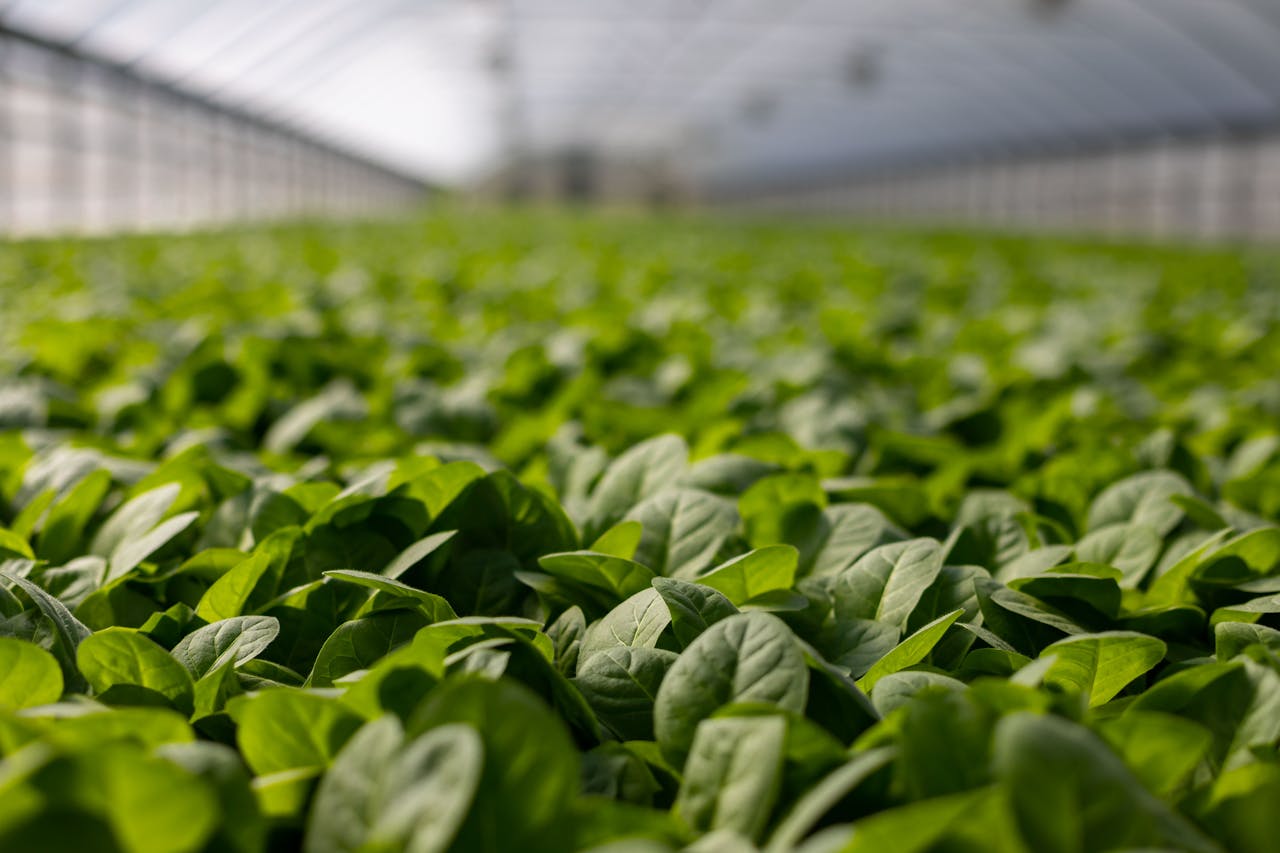
Visuals are indicative: a modular layout of greenhouses, vertical racks and a women-led nursery will form the backbone of the Kijani farm. Final design will be adapted to site conditions, water access and partner requirements.
Production targets
The farm is targeting 120–150 tonnes of produce per year (conservative), with systems tuned for consistency, quality, and long-term soilless production rather than short-term yields only.
Leafy greens & herbs
Spinach, kale, lettuce, coriander, and other fast-cycling crops.
Fruit vegetables
Tomatoes, cucumbers, peppers and melons grown in controlled systems.
Markets
Local supermarkets, hotels, corporate cafeterias, institutional buyers (schools, hospitals), and direct subscription customers in Nairobi and nearby urban centers. Kenya’s growing urban market indicates strong demand for reliable, pesticide-free produce.
Institutional buyers
Schools, hospitals, and corporate cafeterias needing consistent supply and traceability.
Urban consumers
Direct subscription / CSA models for families in Nairobi and nearby towns.
Help us turn the blueprint into an operating hydroponic hub.
Capital for greenhouses and equipment, support for the women’s training programme, and strong market linkages are the last pieces needed to activate the Kijani Hydroponics Farm at full scale.